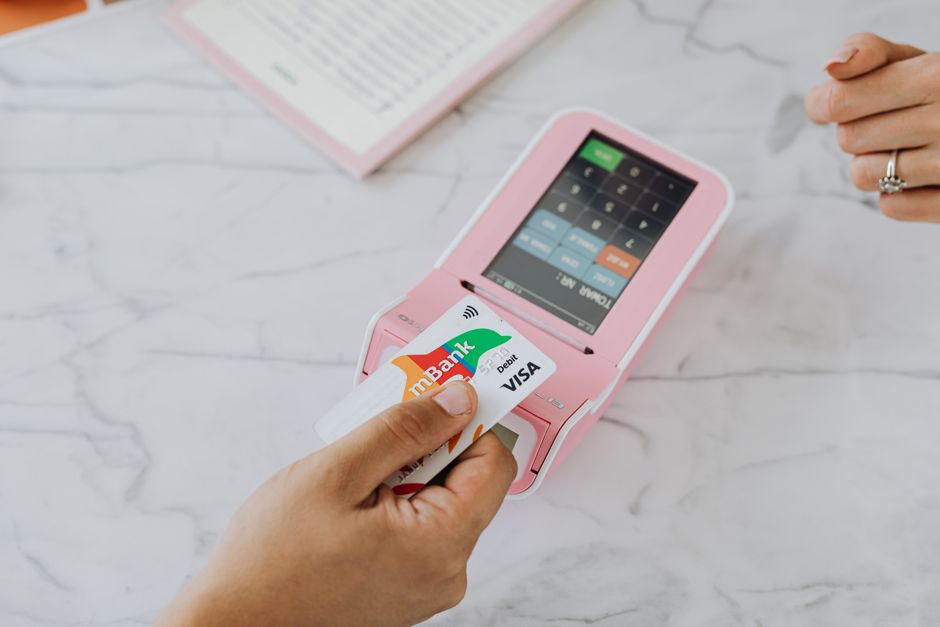
A card-only policy looks tidy from the back office. No drawer to count at close, no deposit run, no debate about whether a till is short five dollars. That tidy feeling is real, and it is exactly why so many owners consider dropping cash. The part that often gets skipped in the decision is the other half of the ledger: what the business pays to process every transaction, what it costs to keep the hardware and internet running, and what happens on the day the system will not cooperate.
Cashless payments now dominate restaurant sales. One industry report puts card and digital transactions at nearly 62% of U.S. restaurant payments in 2024. Dominant is not the same as universal, though, and the gap between the two is where most of the cost decisions live for restaurants and retail stores.
Why Cashless Looks Cheaper on Paper
The accounting argument is easy to follow. Electronic payments create a record automatically, so reconciliation takes less labor and mistakes get caught sooner. There is no cash to count, no safe to balance, and no risk of a deposit bag disappearing between the counter and the bank.
Owners describe the labor savings plainly. Celia Zhang, explaining a cashless policy at her storefronts in 2018, said that going cashless “frees our employees from collecting, counting, recording, and depositing transactions.” That is a genuine operational gain, and it is the reason many operators make the switch and never look back.
Safety is the other common motivator. When some Dallas shops and restaurants went cash-free, concern for staff safety came up as a reason, with the business Credo in Plano among those citing it. A store with no cash on hand has less to lose in a robbery, and staff who are not handling bills after dark tend to feel better about closing alone.
The Real Costs of Electronic Payments
The savings above are real, but they are not free. Every electronic transaction carries a cost that a cash sale does not, and those costs scale with volume rather than staying flat.
Processing fees on every ticket
Card and digital payments come with processing costs, and those costs apply to every single sale, from a large catering order down to a cup of coffee. On a cash sale, the business keeps the full amount. On a card sale, it keeps the amount minus the processing arrangement. High-volume, low-ticket businesses feel this most sharply, because the fee applies per transaction rather than per dollar of profit. Actual rates depend on the provider, the card type, and the volume a business negotiates, so any owner comparing options should get the numbers in writing rather than relying on a general rule of thumb.
Equipment, software, and connectivity
A cashless counter needs hardware and a network. Terminals, readers, and the software behind them carry their own costs, and the internet connection that keeps them alive becomes a business-critical utility instead of a convenience. Mobile setups at a food truck, a pop-up, or a patio seat add another layer, since those devices depend on a reliable signal. None of this is unusual for a modern retail operation, but it is spending that a cash drawer never required.
Downtime when the system goes down
This is the cost owners underestimate most often. A cash drawer works during an internet outage, a power blip, or a provider problem. A cashless system does not. When the connection drops, the line stops moving and revenue stops with it, and the recovery usually means asking customers to wait, come back, or pay through a personal phone in a way the business then has to reconcile by hand. Some businesses keep a backup plan for exactly this reason. The cost of that backup is either the effort of maintaining one or the lost sales from not having one.
Chargebacks and disputes
Electronic payments can be reversed. A customer dispute, a lost card, or a fraudulent transaction can pull money back out of the account after the sale is complete, and resolving it takes time and documentation. Cash does not come with that exposure. A store can reduce the risk with clear receipts and consistent policies, but it cannot eliminate it.

What You Gain From Dropping Cash
The pros of a cashless operation are concrete, and they show up in daily operations rather than in a spreadsheet.
- Faster transactions and shorter lines, since there is no change to count and no bills to fish out of a wallet.
- Increased security and reduced theft, both from fewer hold-ups and from less cash sitting in a drawer or a safe.
- Better hygiene at the counter, which customers noticed more after 2020 and which still matters in food service.
- Cleaner records, because every sale lands in the system without a manual entry step.
- Less time spent on closing routines, deposits, and bank runs.
For a high-volume restaurant with a young, card-carrying clientele, those gains can outweigh the processing costs. The calculation changes for a store with thin margins on small tickets or a customer base that pays in cash.
What You Lose, and Who Pays for It
The cons are not only financial. They are also about access, law, and reputation.
Customers without cards or bank accounts
Not every customer has a card, and not every person with a card wants to use it for a small purchase. Reporting on the cashless trend has framed the issue directly: convenience for the business can turn classist for the customer, because people without bank accounts are shut out entirely. New York City’s debate over the practice centered on the same concern, with officials arguing that card-only policies discriminated against poorer customers who do not have access to bank accounts.
Legal exposure
In January 2020, the New York City Council voted to prohibit businesses from only accepting credit card, debit, or digital payments, with establishments required to accept cash or face a $1,000 fine. The bill was drafted by Councilman Ritchie Torres. New York is not the only jurisdiction to consider the question, and the rules vary by location, so a business planning a card-only policy should confirm the current requirement with its own city or state before changing signs. In New York City, customers can file a complaint through NYC311 about a store that refuses cash, including businesses that sell food such as restaurants.
Goodwill and word of mouth
A customer turned away at the register because they only have cash rarely comes back angry at the payment processor. They come back angry at the business. For a restaurant or a neighborhood store whose reputation rests on being welcoming, that cost does not show up in any fee schedule, but it is real and it compounds.

Comparing the Two Models Side by Side
| Factor | Cash accepted | Card only |
|---|---|---|
| Transaction cost | No processing fee on the sale | Processing cost on every transaction |
| Labor at close | Count, record, and deposit | Reconcile the system record |
| Outage risk | Keeps working without power or internet | Depends on connectivity and hardware |
| Cash handling risk | Drawer and deposit exposure | Reduced on-site cash |
| Reversals | Not applicable | Disputes and chargebacks possible |
| Customer access | Open to unbanked customers | Limited to card and digital payers |
| Legal risk | Generally the default requirement | Restricted in some jurisdictions |

Questions to Answer Before You Switch
A card-only policy is a business decision, not just a payment setting. Work through these before the signage changes.
- What does each transaction actually cost under the processing arrangement you are considering, and how does that compare to your average ticket?
- What percentage of your current sales come in as cash, and who are those customers?
- What is your plan when the internet or the terminal fails during a rush?
- Does your city or state allow a cashless policy at all, and are there complaint channels customers can use?
- Have you told your regulars in advance, and given them a way to be heard?
Some operators land on a hybrid: cards and digital payments encouraged, cash still accepted for anyone who needs it. That approach keeps most of the speed and recordkeeping benefits while removing the legal and goodwill risk, and it rarely costs much to maintain a small cash drawer for the handful of customers who use it.
Frequently Asked Questions
Is it legal for a restaurant or store to refuse cash?
It depends on where the business operates. New York City prohibited card-only policies in 2020, requiring establishments to accept cash or face a $1,000 fine. Other jurisdictions have considered similar rules. Because the requirements vary by location, owners should confirm the current position with their own city or state before going cashless.
What are the main costs of accepting only cards?
The biggest costs are processing fees on every transaction, hardware and software for the payment system, the internet connection that keeps it running, and lost sales during outages. Chargebacks and disputes add another layer of cost and staff time. These expenses scale with volume, so high-traffic, low-ticket businesses feel them most.
Do cashless restaurants really save on labor?
They can. Employees no longer collect, count, record, and deposit cash, which removes a daily routine and the errors that come with it. The savings are partly offset by the work of managing a payment system, troubleshooting devices, and handling disputes, so the net gain depends on how much cash the business was processing before.
What happens to a cashless store when the internet goes down?
The register stops working and the line stops moving. A cash drawer would keep operating through an outage, a power blip, or a provider problem. Businesses that go cashless often keep a fallback plan, whether that means a backup connection, a mobile payment workaround, or simply accepting cash for the duration.
Should a small store go cashless?
Test the numbers first. Compare processing costs against your average ticket, check how much of your revenue arrives in cash, and confirm the local rules. If a meaningful share of your customers pay cash or your margins are thin on small sales, a hybrid approach that still accepts cash usually protects more revenue than a strict card-only policy.